
Categories
Northeast Georgia, Real Estate, Tips & AdvicePublished August 28, 2026
Buying Land in North Georgia: 6 Things to Know First

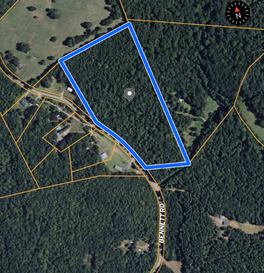
What to Know Before Shopping for Land in North Georgia
Buying land in north Georgia is one of the most exciting real estate decisions you can make. Whether you're dreaming of a custom home on a wooded hillside, a small working farm, or a private escape from the city, Jackson County and Banks County offer exactly the kind of wide-open space people are searching for.
But buying land is not the same as buying a house. There are layers of due diligence that don't come up in a typical home purchase — and skipping any one of them can cost you serious money or derail your plans entirely.
At Brittany Purcell & Associates, we help buyers navigate land purchases in north Georgia every day. Here are the six most important things you need to know before you make an offer.
1. Zoning — It Controls More Than You Think
The first thing to check on any parcel is the current zoning. Not the "potential" zoning. Not what the listing says it could become. The current, recorded zoning designation in that county.
Zoning determines what you can actually do with the land. It sets minimum home sizes, dictates whether the parcel can be subdivided, governs whether you can operate a business on the property, and yes, even whether you can keep backyard chickens.
The "Potential" Red Flag
When a listing uses language like "potential for rezoning" or "potential commercial use," pay close attention. If the current zoning does not support those uses, that potential is not guaranteed. Rezoning requires government approval and is never certain.
That doesn't mean you have to walk away. It means you need to protect yourself. Your contract can include a rezoning contingency, meaning if the rezoning is not approved, you can exit the deal without penalty. Talk to one of our agents about how to structure that protection before you sign anything.
Contact Brittany Purcell & Associates
2. Access — Road Frontage or a Recorded Easement
Every piece of land you buy needs a legally documented way to get to it. That means either direct road frontage on a public road, or a recorded easement across an adjacent property.
If a seller or listing mentions an easement, ask them to prove it. The easement should be recorded at the county courthouse, should be transferable with the sale, and should clearly describe the right of access. Do not take anyone's word for it.
Purchasing landlocked property without verified access is a costly mistake that is very difficult to undo.
3. Utilities — Don't Assume Anything
Power
Call the electric provider for that area and ask directly whether they can serve that parcel and what it would cost to run a line. Line extensions can range from a few hundred dollars to well over ten thousand, depending on distance.
Water
Public water is not a given in rural north Georgia. Call the county water authority and confirm that a tap is actually available for the specific parcel you're considering. Water tap fees in some areas of north Georgia are running $3,000 or more, and supply shortages exist in certain zones. Some counties require a written letter confirming water availability, and they may charge for that letter.
If public water is not available, a private well is the alternative. Drilling and installation have upfront costs, but owning your own water supply is not necessarily a drawback, many landowners prefer it.
Sewer vs. Septic
Ask specifically whether sewer service is available to the parcel. If it is not, you will need a septic system when you build. Before a septic permit is issued, most counties require a Level 3 soil test to determine whether the soil can support a septic system, and what size and type is appropriate.
Order the soil test during your due diligence period. If the soil fails, you need to know that before closing, not after.
4. Flood Plains and Topography — Plan Your Build Site Early
Pull the FEMA flood map for any parcel you are seriously considering. If part of the land falls within a flood zone, your usable build area may be significantly reduced, and flood insurance costs on structures in certain zones can be substantial.
Topography also affects your construction budget more than most buyers expect. A property that looks beautiful on video or in photos may require significant grading and site prep before building can begin, expenses that are not visible in listing photos.
If possible, walk the land with a builder during due diligence. A pre-closing site visit can give you a realistic picture of what it will actually cost to build on that specific piece of ground.
5. Conservation Easements — A Big Topic in North Georgia
If you are looking at any tract larger than ten acres in north Georgia, there is a real chance it is enrolled in a conservation program, most commonly a Conservation Use Valuation Assessment (CUVA).
Under a CUVA, the landowner agrees to maintain the land in a qualifying use (agriculture, forestry, wildlife habitat) for a set contract period. In exchange, they receive a significant property tax reduction.
What Happens When You Buy It
When you purchase a property that is in conservation, you take on the remainder of that contract. If you violate the terms, by developing the land in a way that isn't permitted, you can be liable for the tax savings going back through the entire contract period, plus penalties. That liability can cover years before you even owned the property.
What You Can Still Do
Conservation does not mean you cannot use the land. In most cases, you are permitted to build a personal residence, construct agricultural buildings, and continue whatever qualifying use is tied to the easement. The key is to call the county tax assessor's office, ask how long the conservation contract runs and what uses are allowed, and get written guidance before you build anything.
If you follow that process, conservation land can be an excellent purchase, and the tax benefits often transfer some value to you as the buyer.
6. Land Financing — Not All Lenders Are Created Equal
Land loans are a specialty product. Many lenders do not offer them, and many who say they do are not experienced with the nuances of rural or raw land. Down payment requirements, loan terms, and rates vary significantly from lender to lender.
Before you begin making offers, connect with two or three lenders who specifically focus on land financing. You may be surprised by the range of options available to you.
If you need a referral to land-experienced lenders in north Georgia, call Brittany Purcell & Associates and ask to speak with one of our land specialists. We are happy to help you get connected.
Ready to Start Your Land Search in North Georgia?
Buying land in Jackson County or Banks County is an incredible opportunity — but only if you go in prepared. At Brittany Purcell & Associates, we have the local knowledge, the land expertise, and the professional network to help you do this right.
Call or text us at 706-389-0771 or visit brittanysells.com to browse current land listings and connect with our team. We would love to be part of your north Georgia land story.
Land listings — brittanysells.com
FAQ Section
Q: Do I need to do a soil test before buying land in Georgia? A: If the property is not connected to public sewer, yes. A Level 3 soil test is required before a septic permit can be issued. Order this test during your due diligence period, before you close, so you know what you are working with.
Q: What is a conservation easement, and will it affect what I can build? A: A Conservation Use Valuation Assessment (CUVA) is a tax-reduction agreement between the landowner and the county. If you buy property enrolled in CUVA, you inherit the contract. You can generally still build a personal home and qualifying agricultural structures, but you must verify allowable uses with the county before building anything.
Q: How do I know if land in Georgia has public water access? A: Call the county water authority directly and ask whether a tap is available for the specific parcel address. Do not rely on a seller's representation. In some north Georgia counties, supply is limited and written confirmation, sometimes at a fee, may be required.
Q: Is it hard to get financing for land in north Georgia? A: Land loans are a specialty product and not all lenders offer them. Talk to two or three lenders who specifically focus on land financing before you make an offer. Our team at Brittany Purcell & Associates can refer you to experienced land lenders in the area.
Q: What should I look for in a zoning designation when buying land? A: Look up the current zoning through the county's GIS or planning department and confirm what uses are allowed. Pay special attention to minimum home sizes, subdivision rights, and any restrictions on agricultural or commercial use. If a listing advertises "potential" for rezoning, verify whether the current zoning already supports your intended use before proceeding.

Brittany Purcell
Owner / Operator | Brittany Purcell & Associates | Keller Williams Realty Greater Athens
or another way